
Want a calm and fun coloring activity? This axolotl colouring collection is perfect for kids, adults, or anyone who enjoys relaxing creative time. These axolotl coloring pages feature clean lines and simple, playful designs so you can color at your own pace. The axolotl printable coloring pages are ready to download for home, school, or friends’ activities, and work with markers, crayons, or digital apps.
Each cute axolotl coloring page is friendly and charming, offering stress relief, mindfulness, and creative fun. You’ll also find boba colouring pages for a playful twist, making coloring fun. Grab your colors and bring these adorable pages to life, simple, satisfying, and sparks creativity.
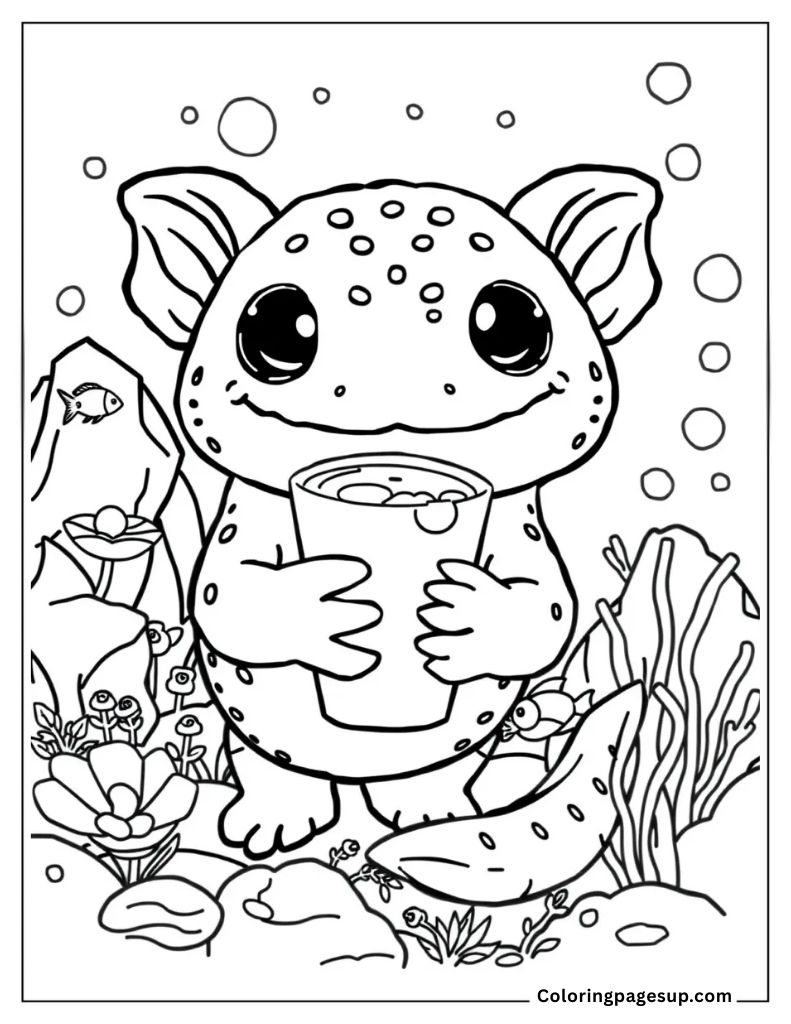
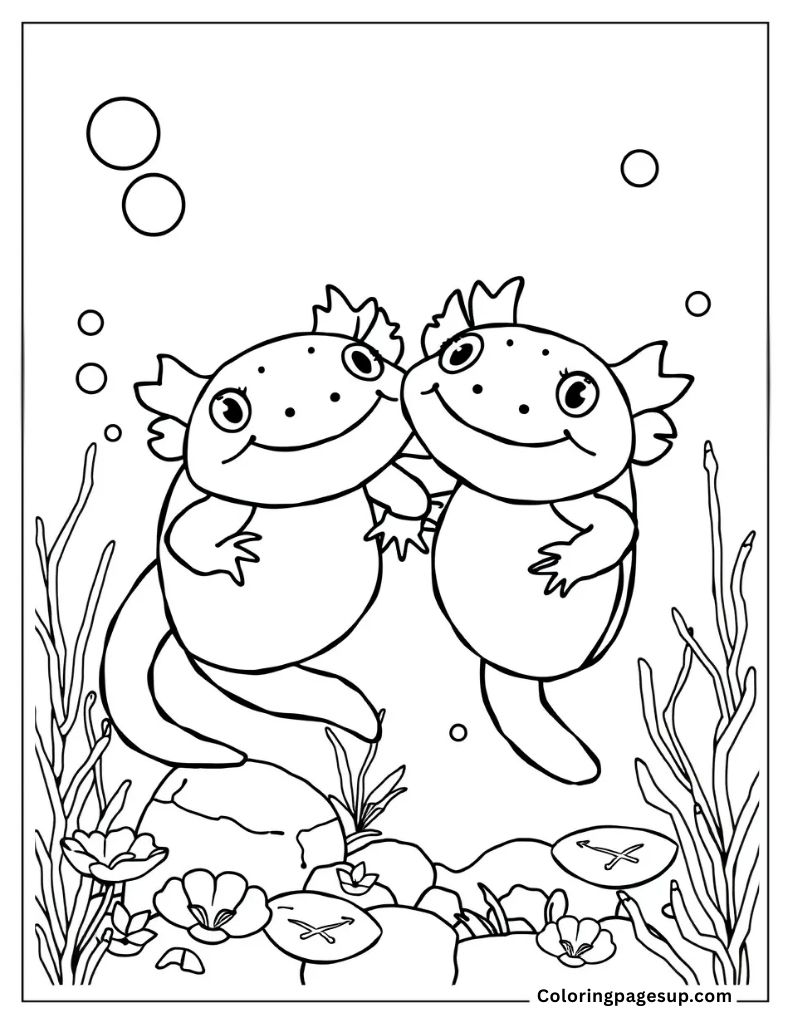
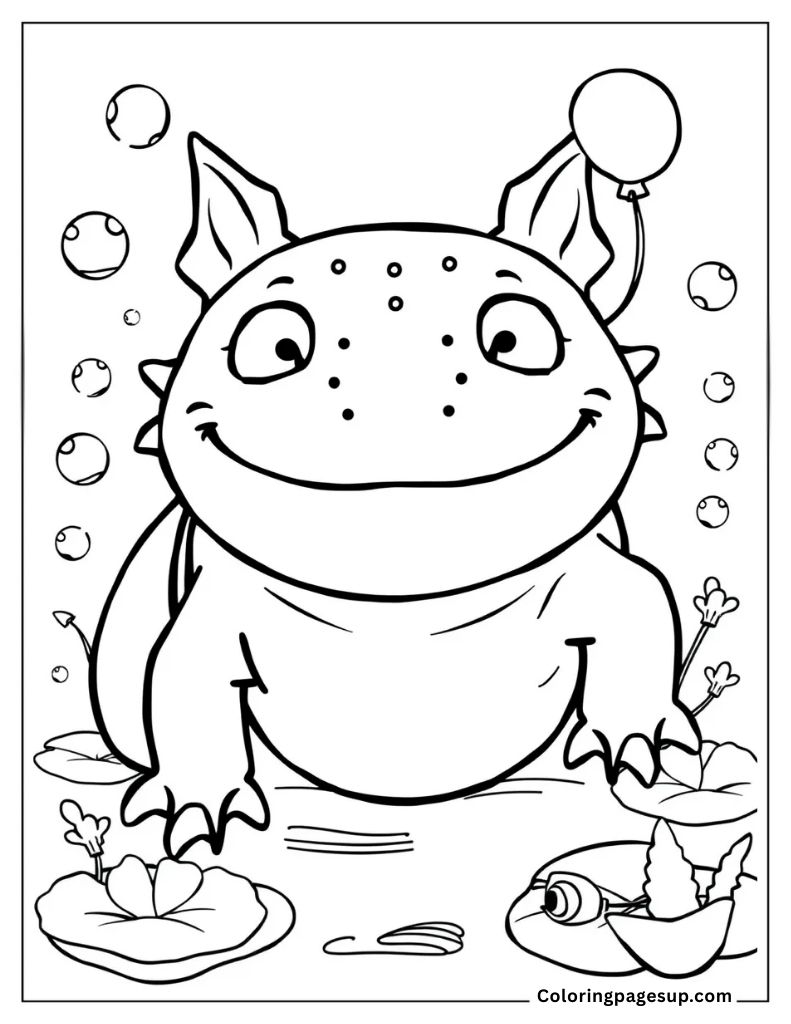
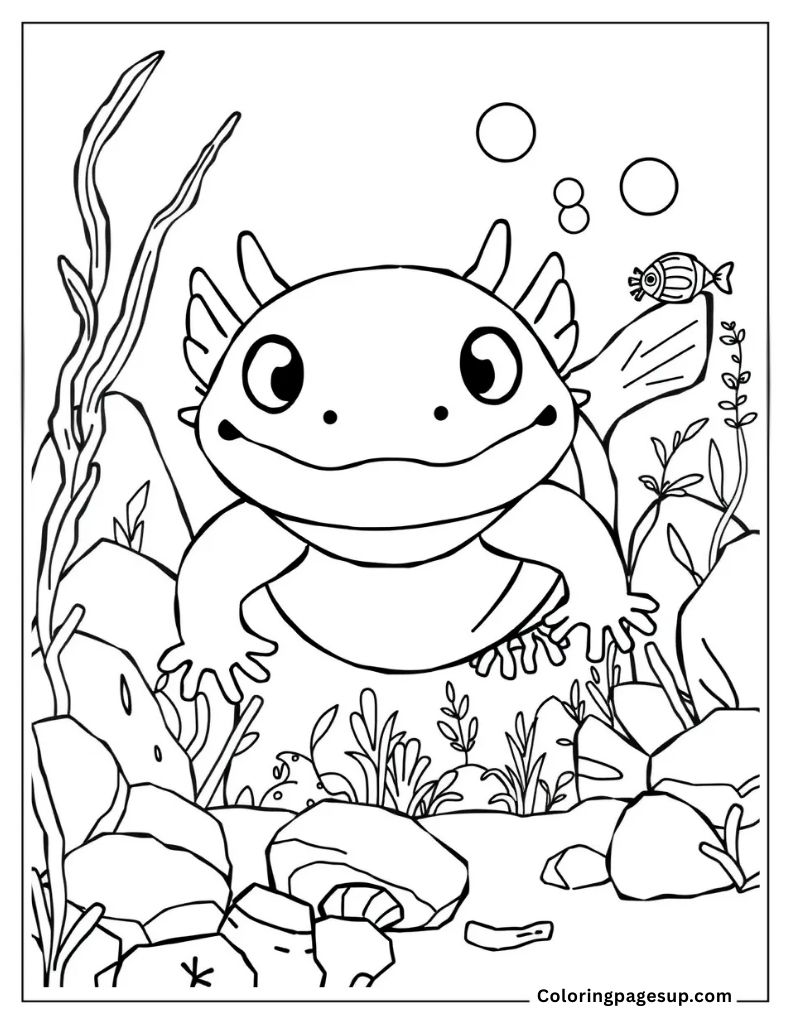
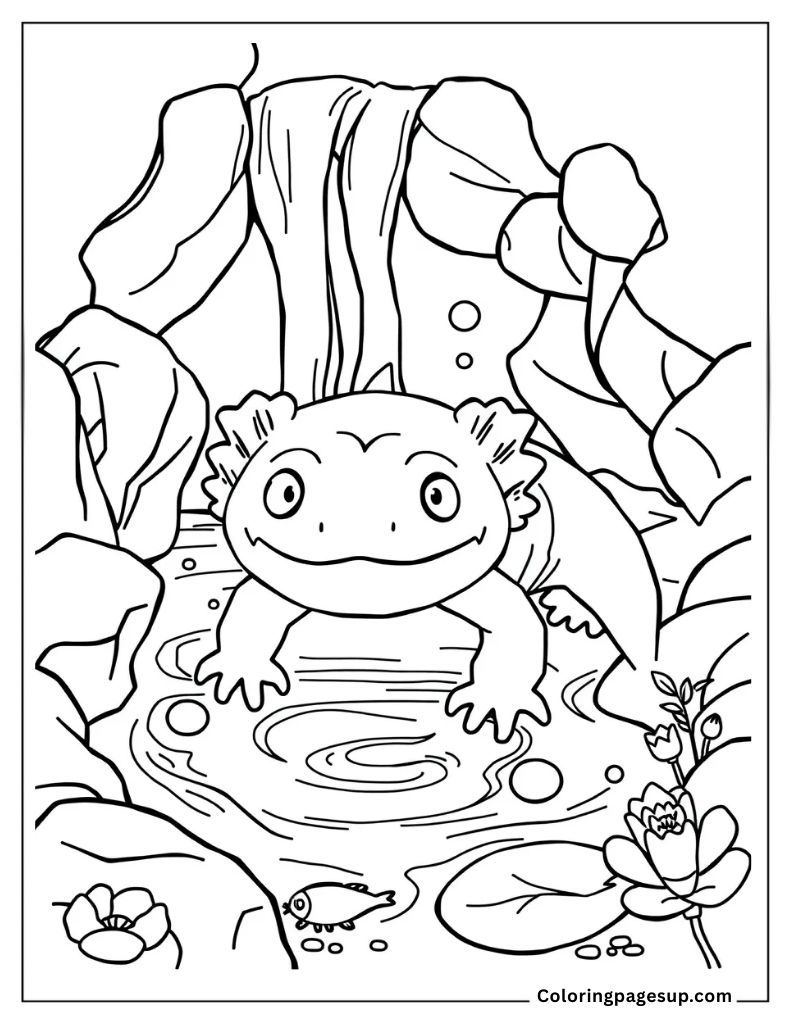
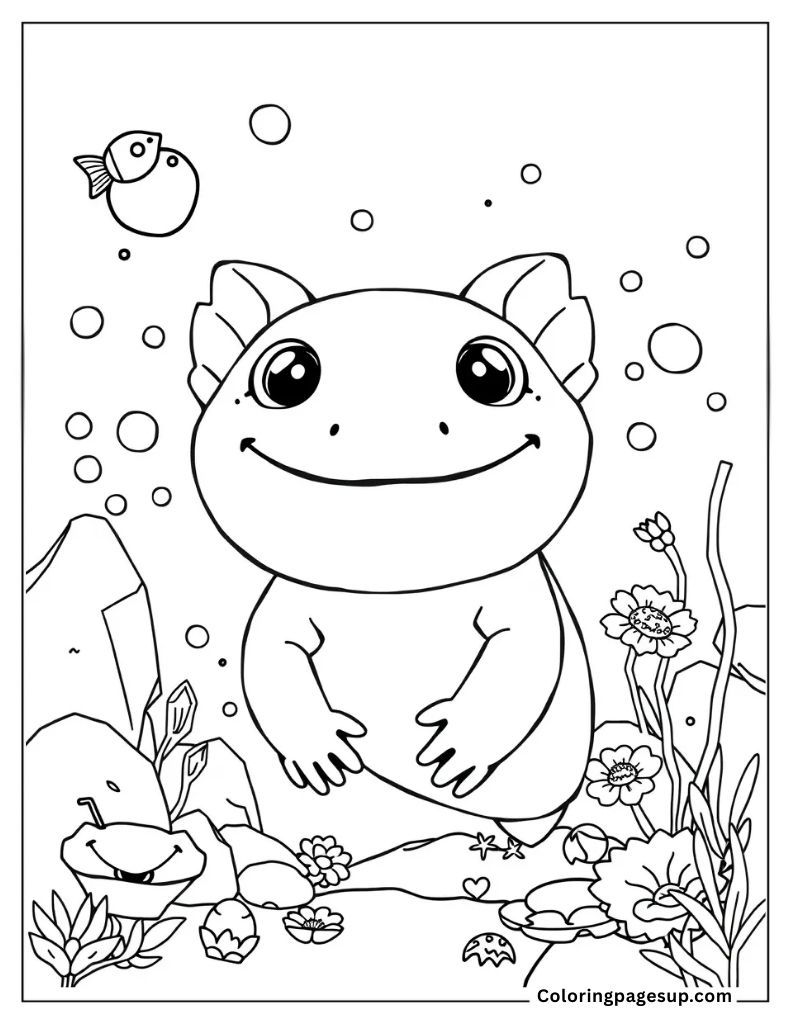
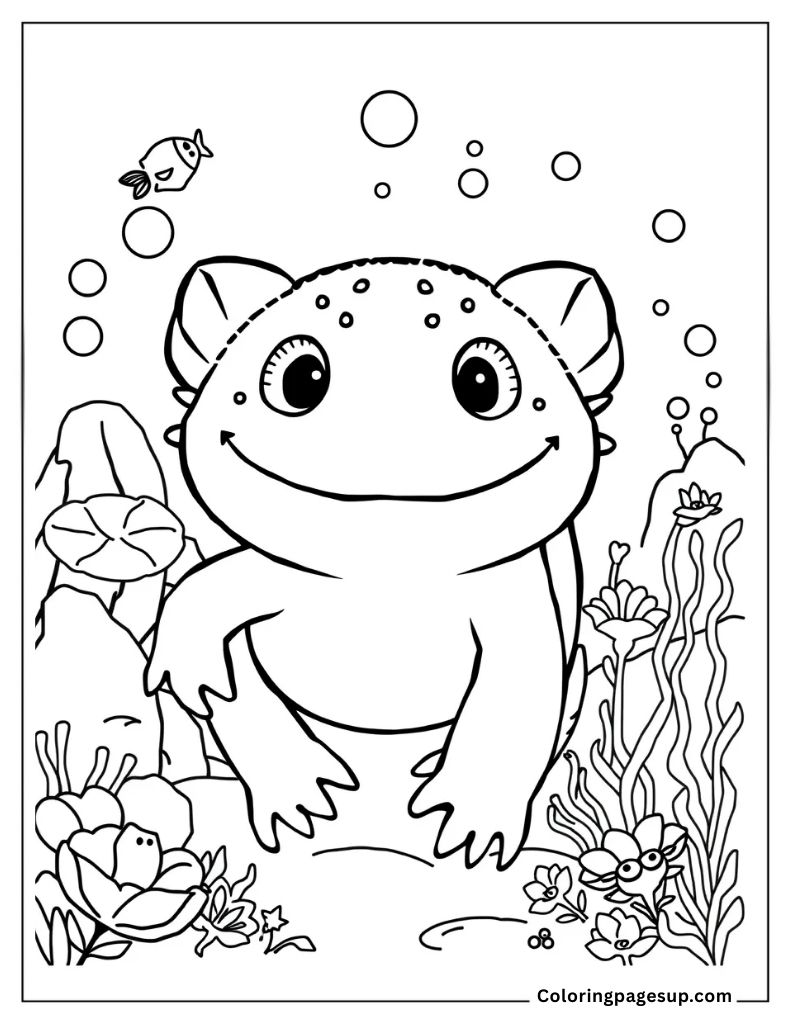
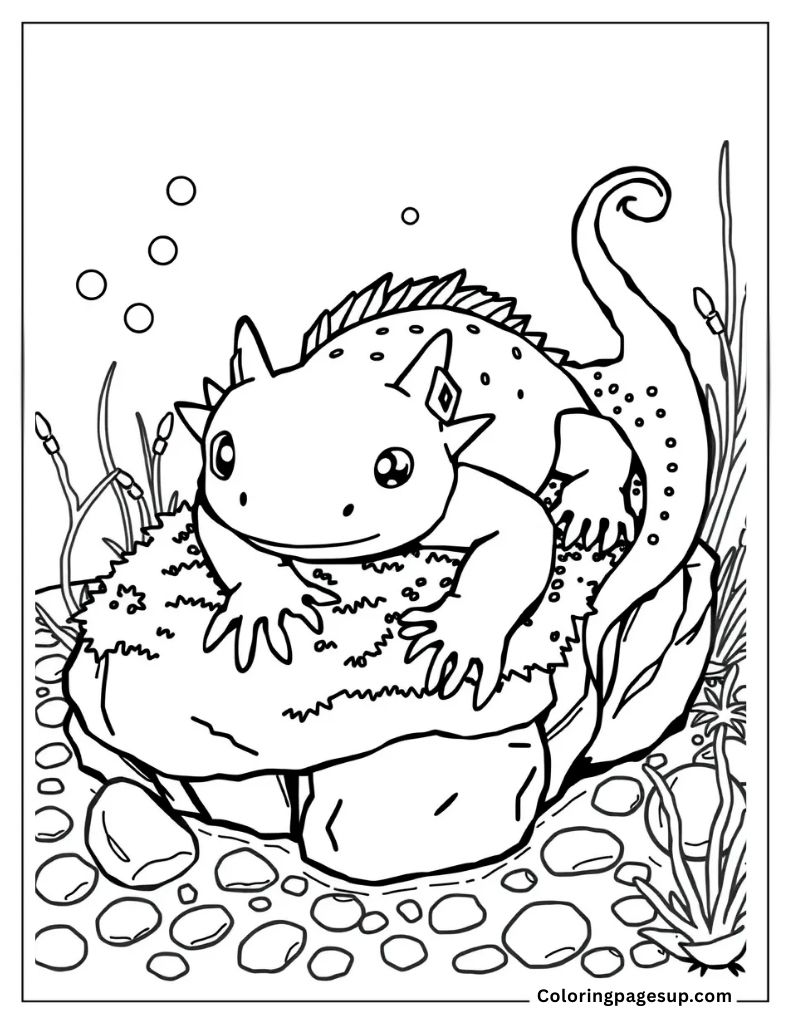
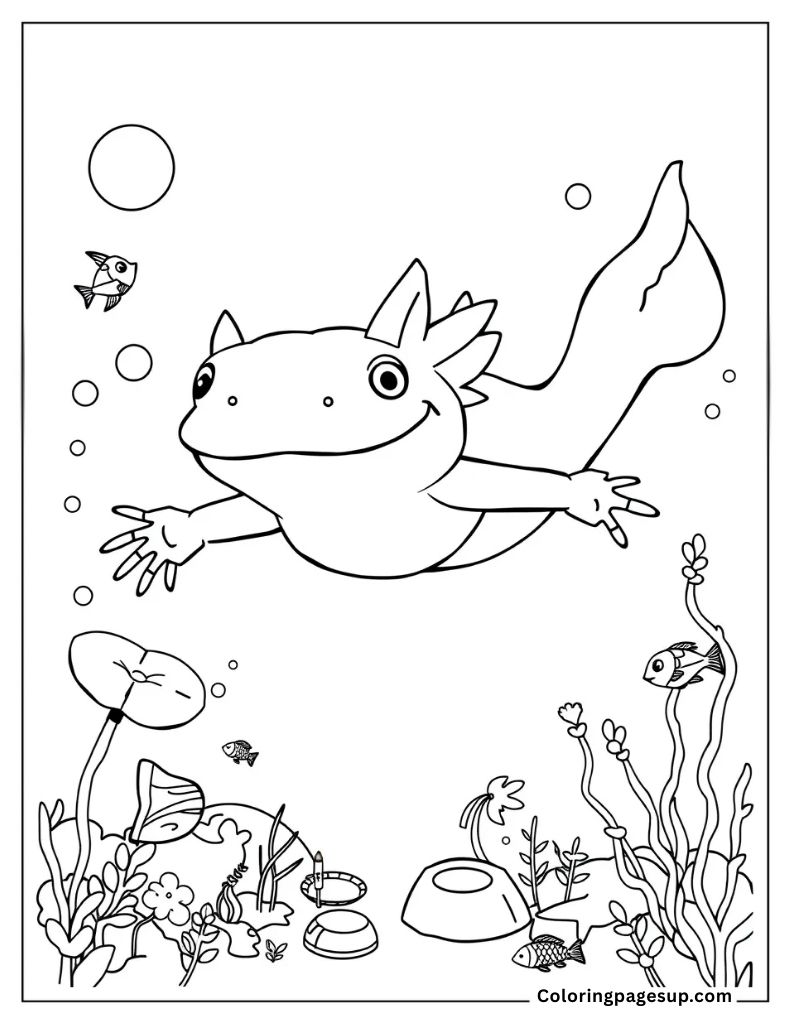
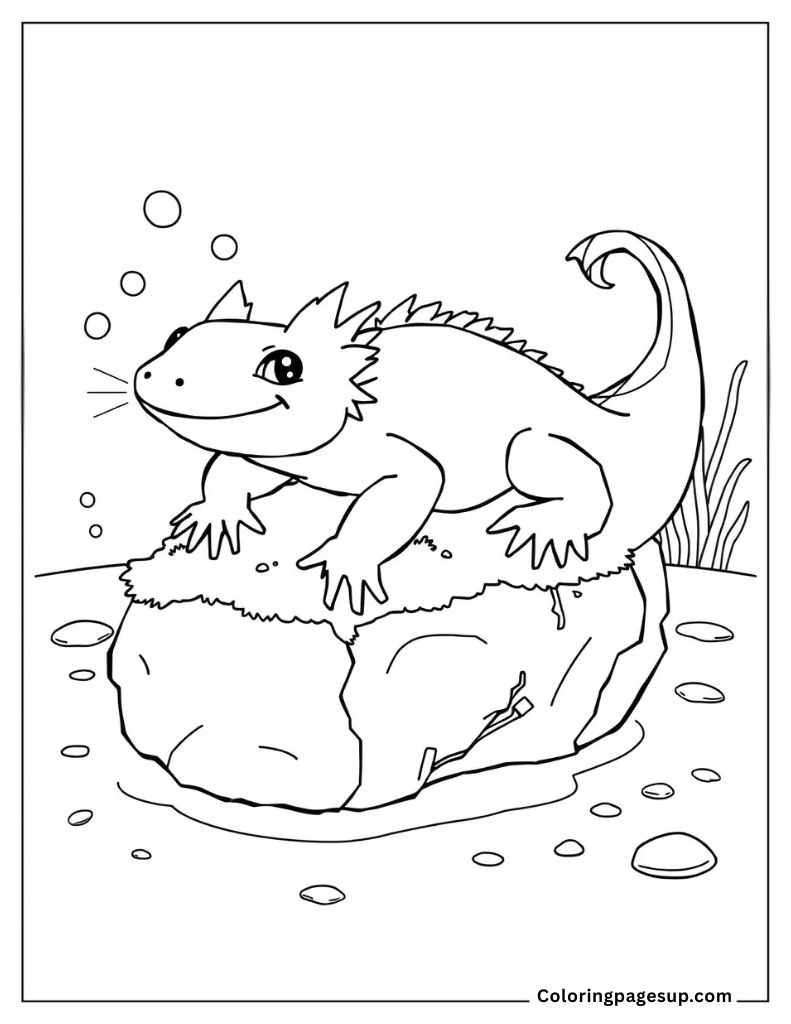
Axolotl Coloring Pages – Free, Perfect for All Ages
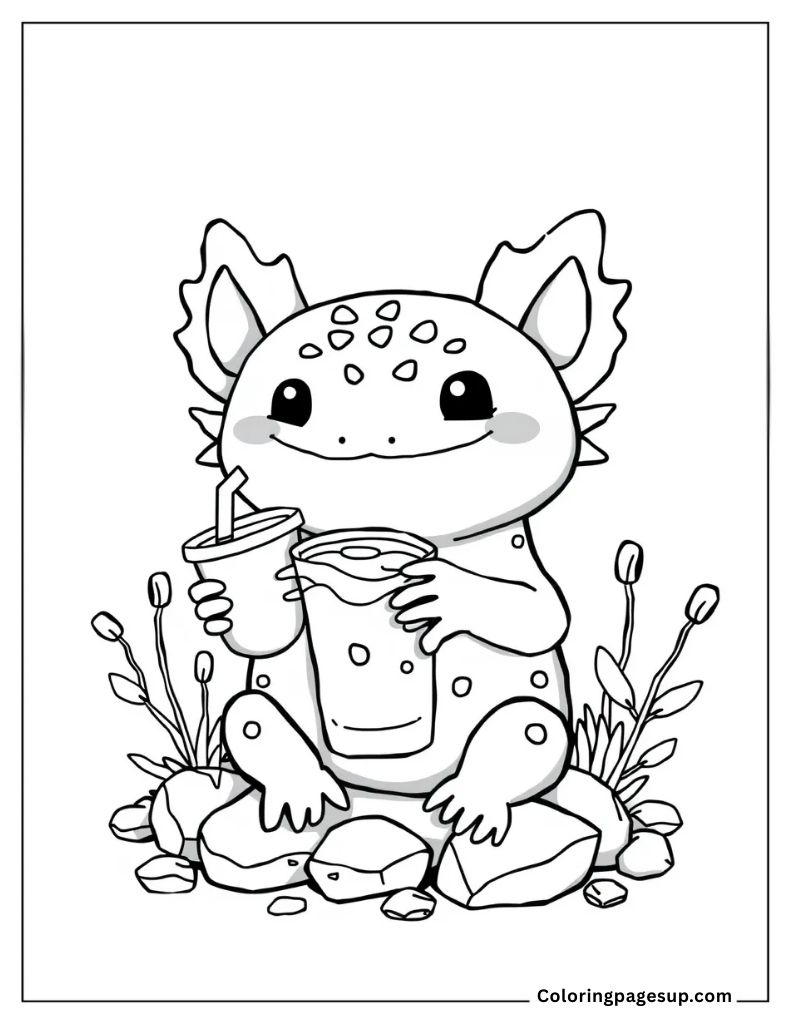
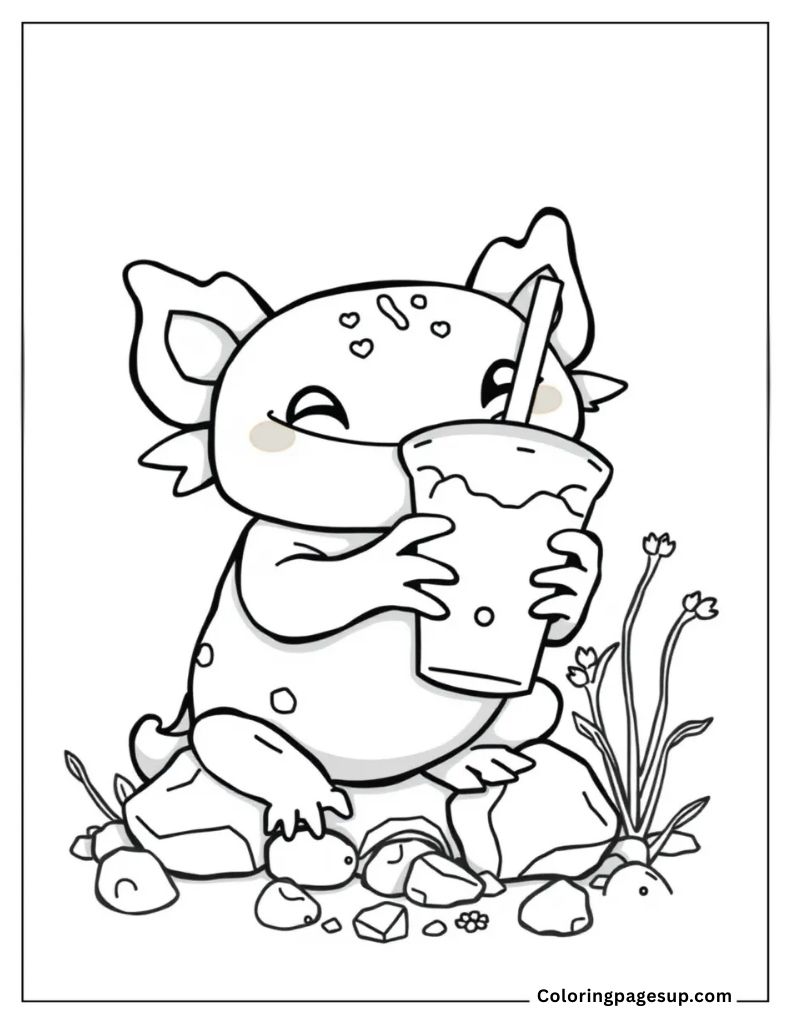
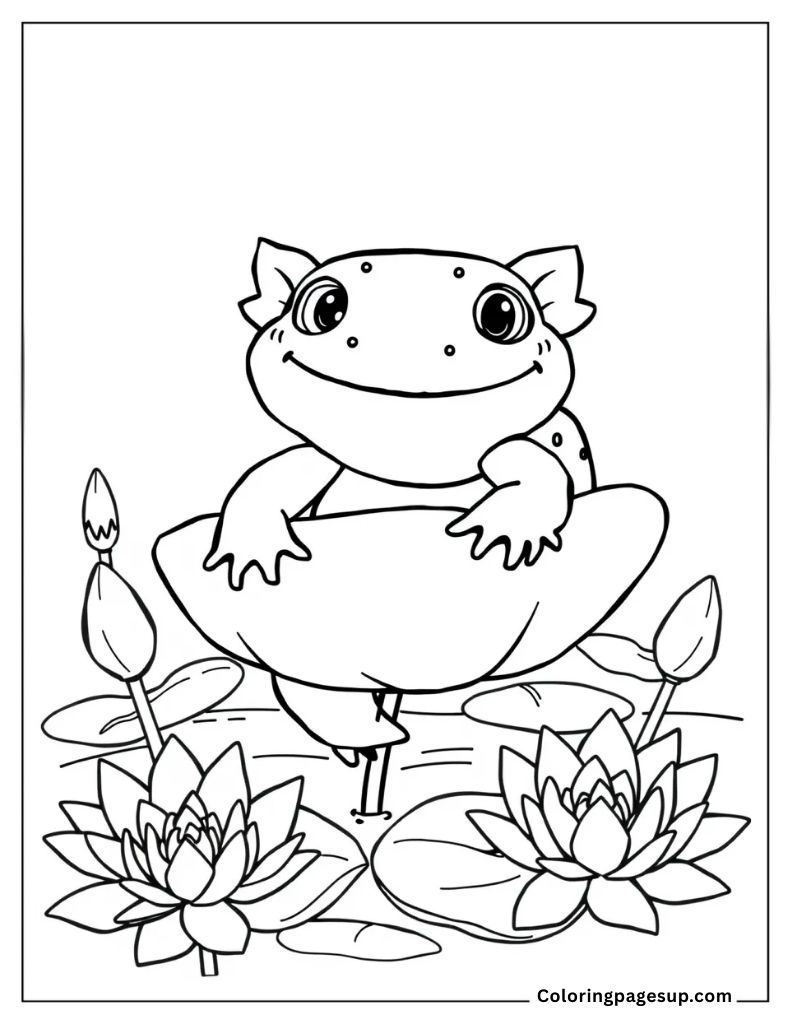
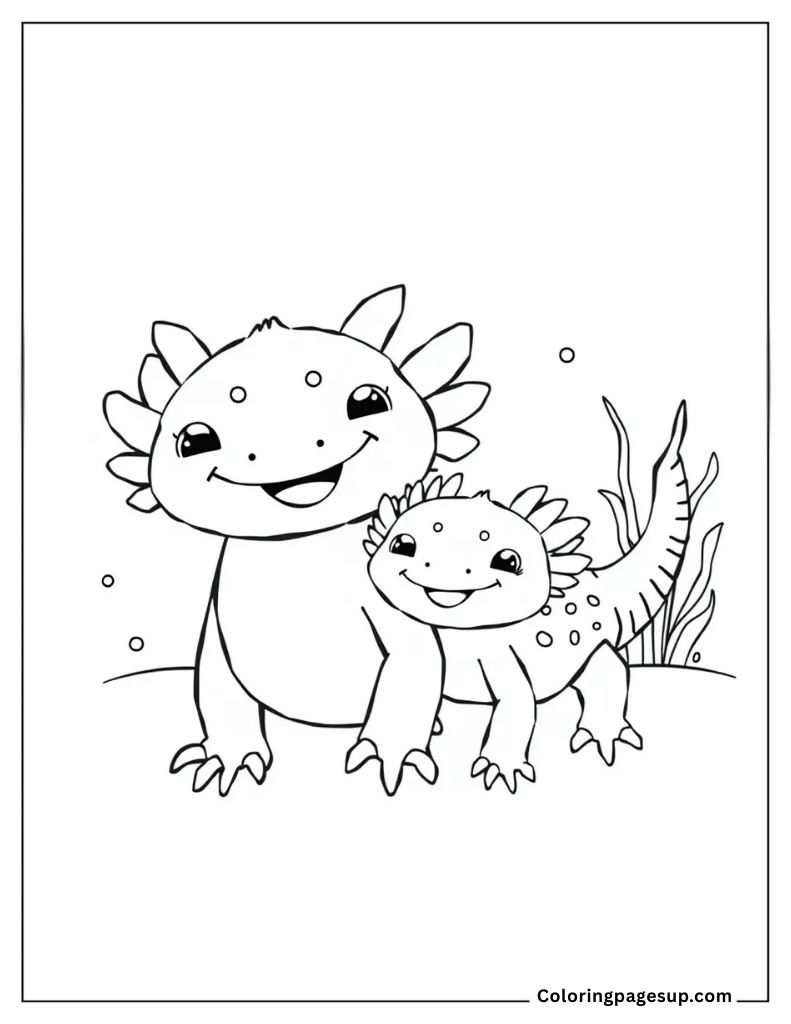
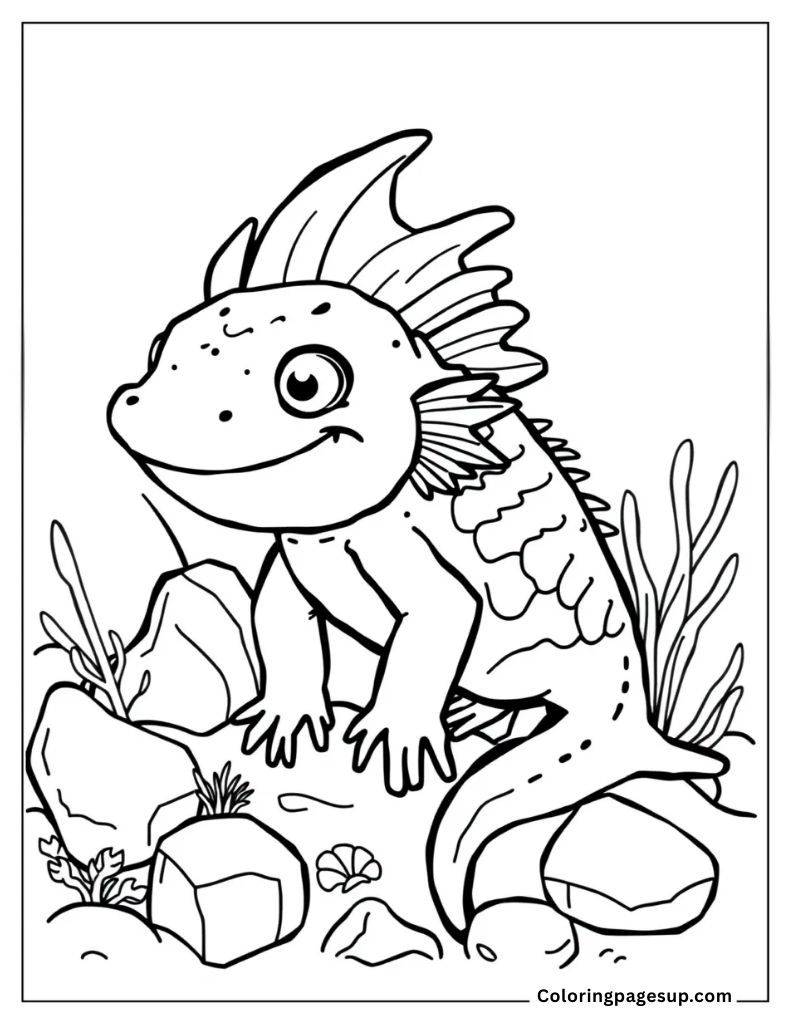
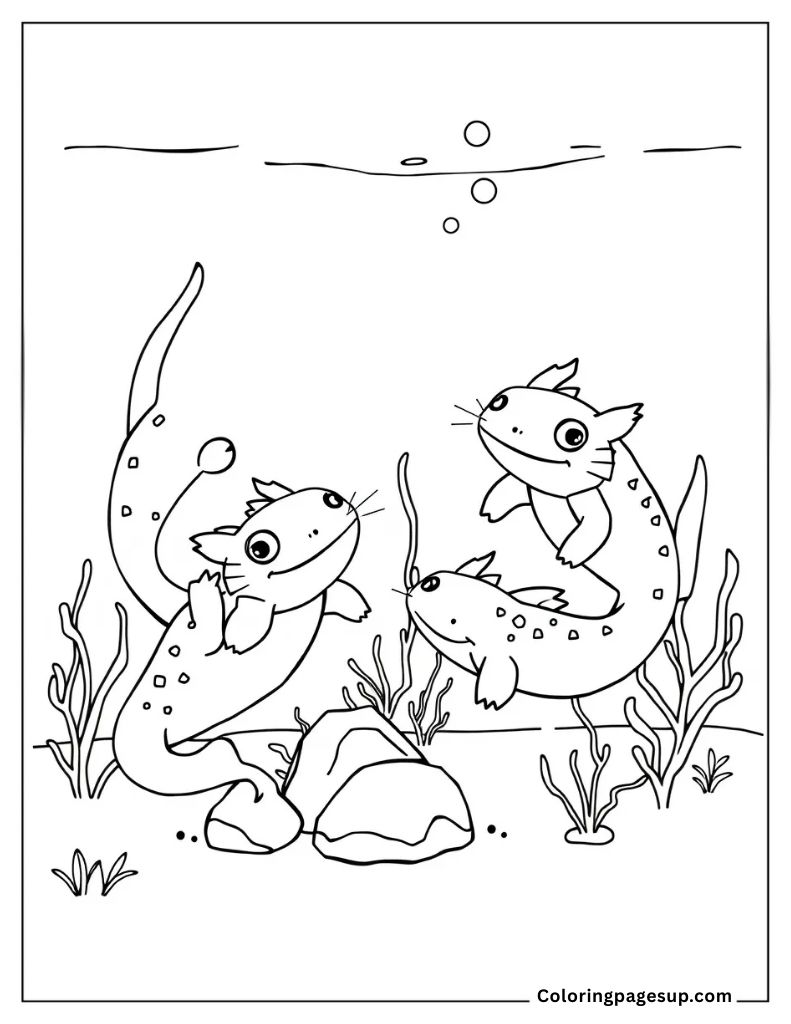
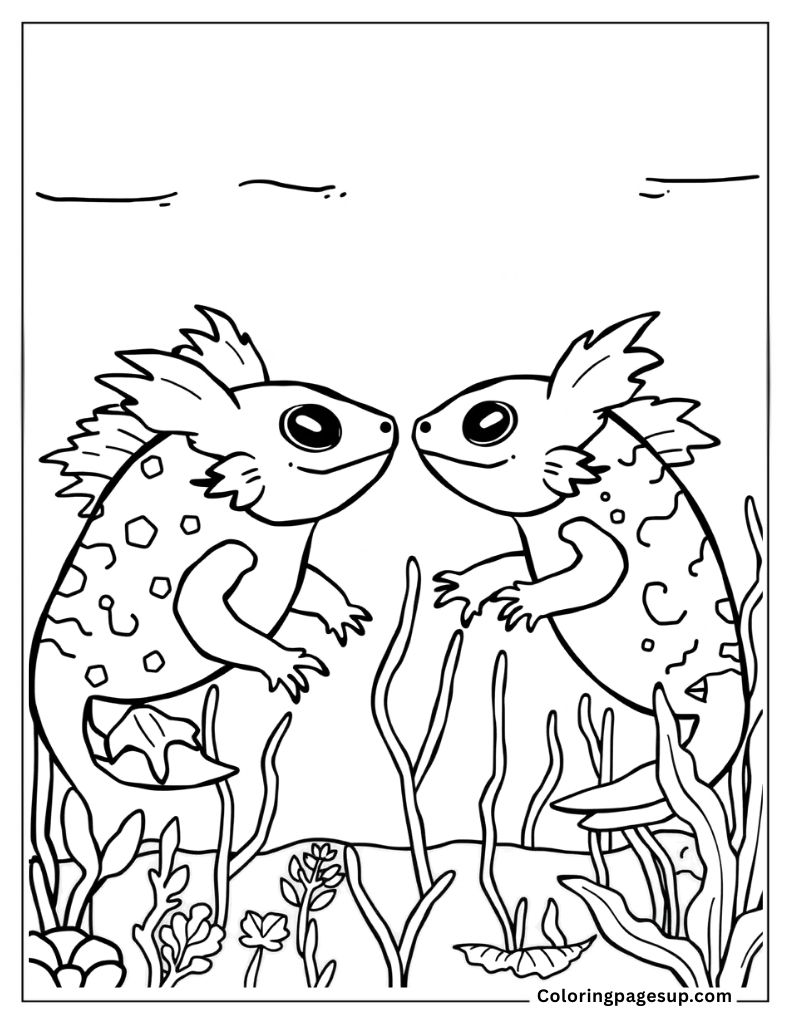
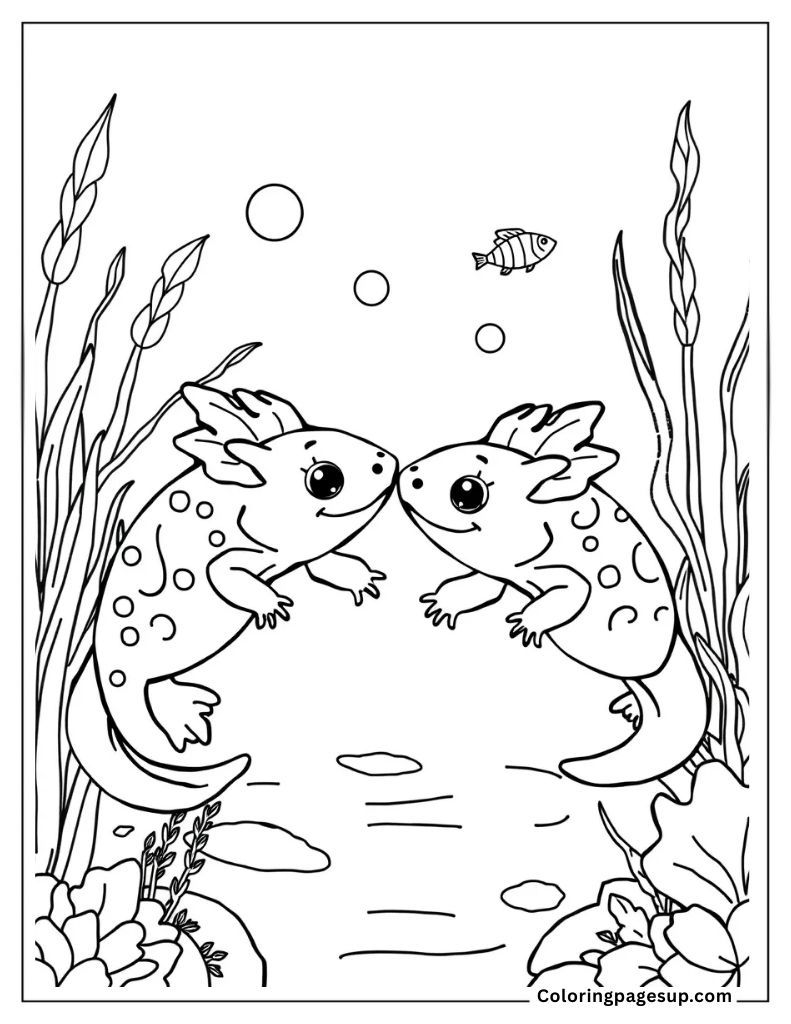
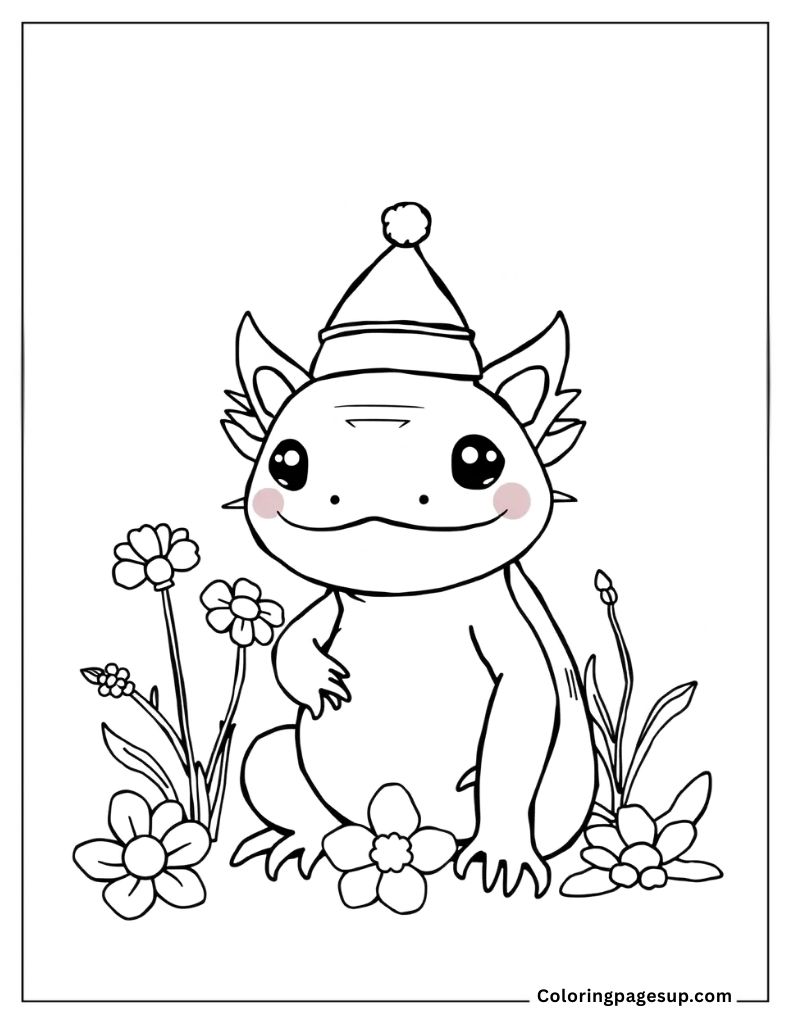
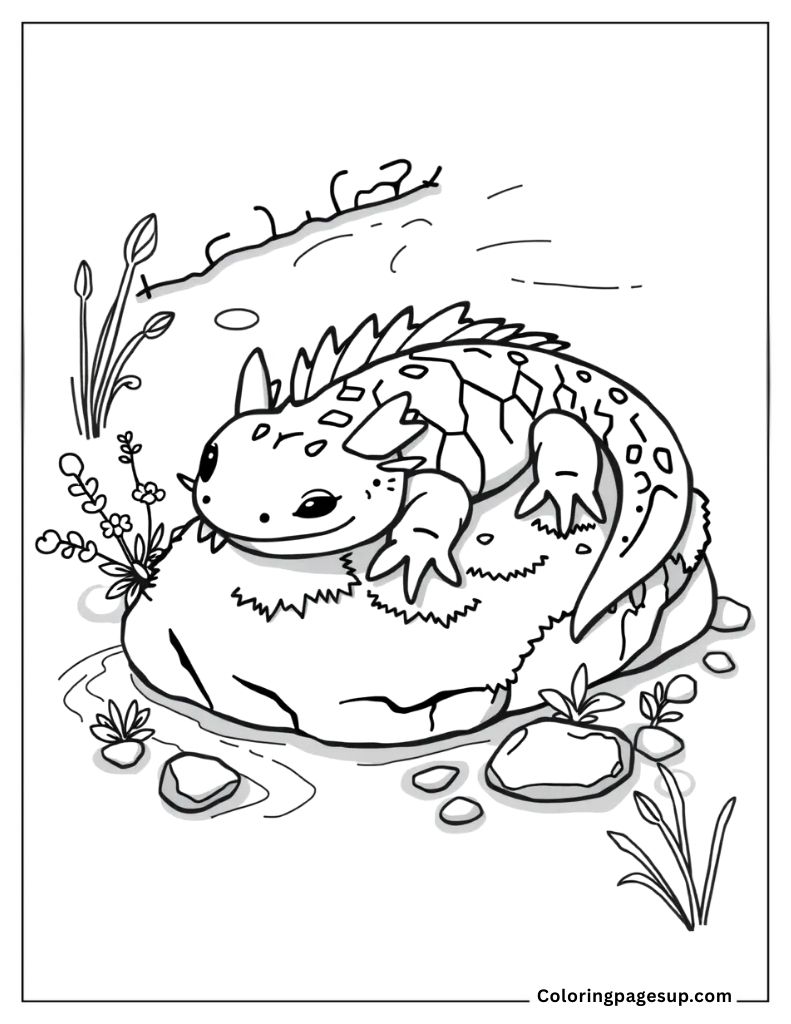
Axolotl coloring pages that anyone can enjoy. Each page features adorable axolotls in fun, playful poses with easy-to-color outlines. From underwater scenes with lily pads and tiny fish to imaginative props like flowers and boba cups, every page is designed to spark creativity and bring a smile.
These coloring pages are suitable for children, teens, and adults alike. With clear, printable line art, they work perfectly with crayons, markers, or colored pencils. Whether you’re looking for a relaxing solo activity, a classroom project, or a creative break with friends, these pages make coloring simple, enjoyable, and satisfying for all skill levels.
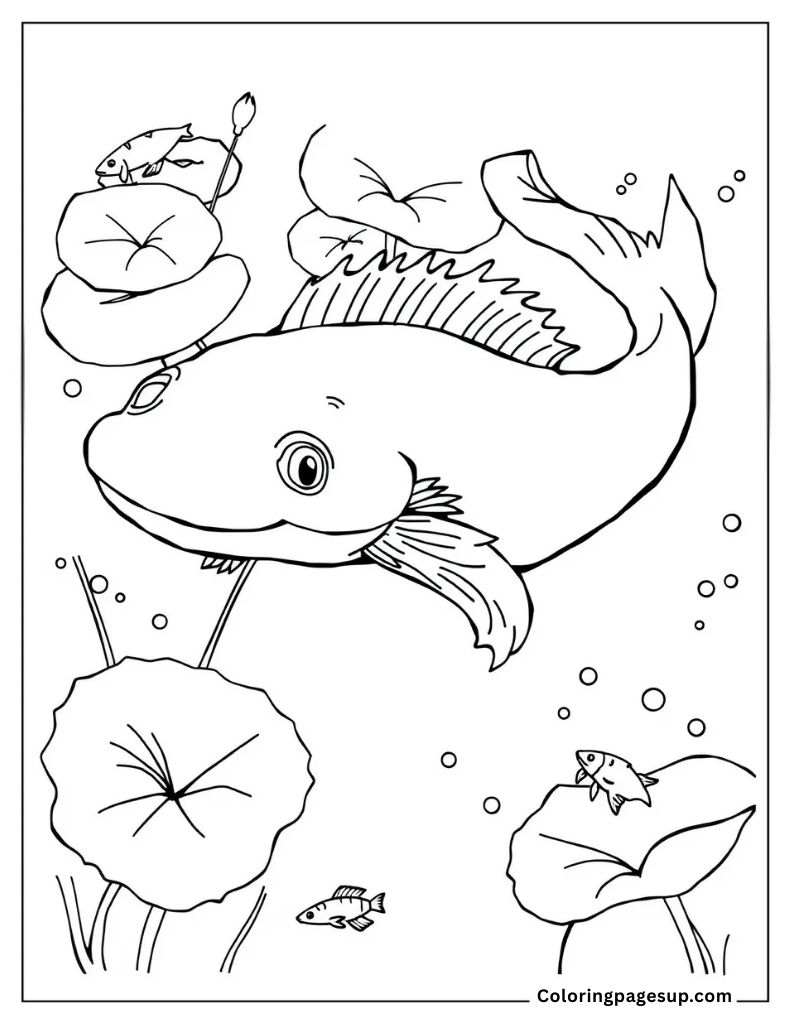
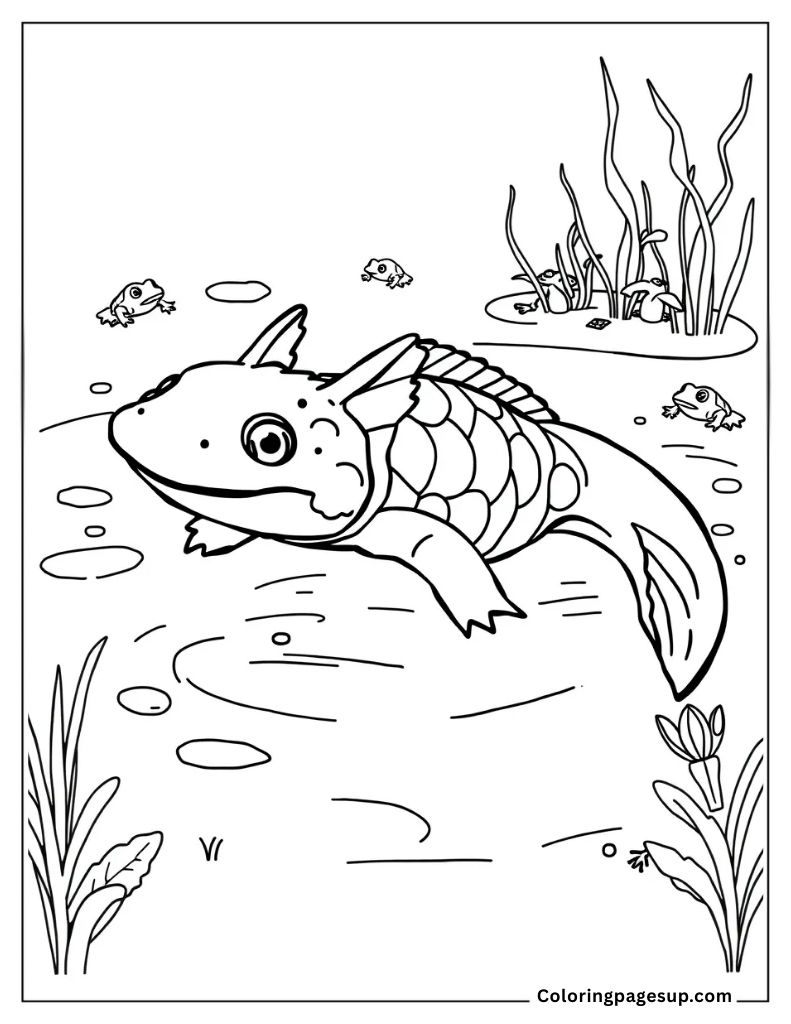
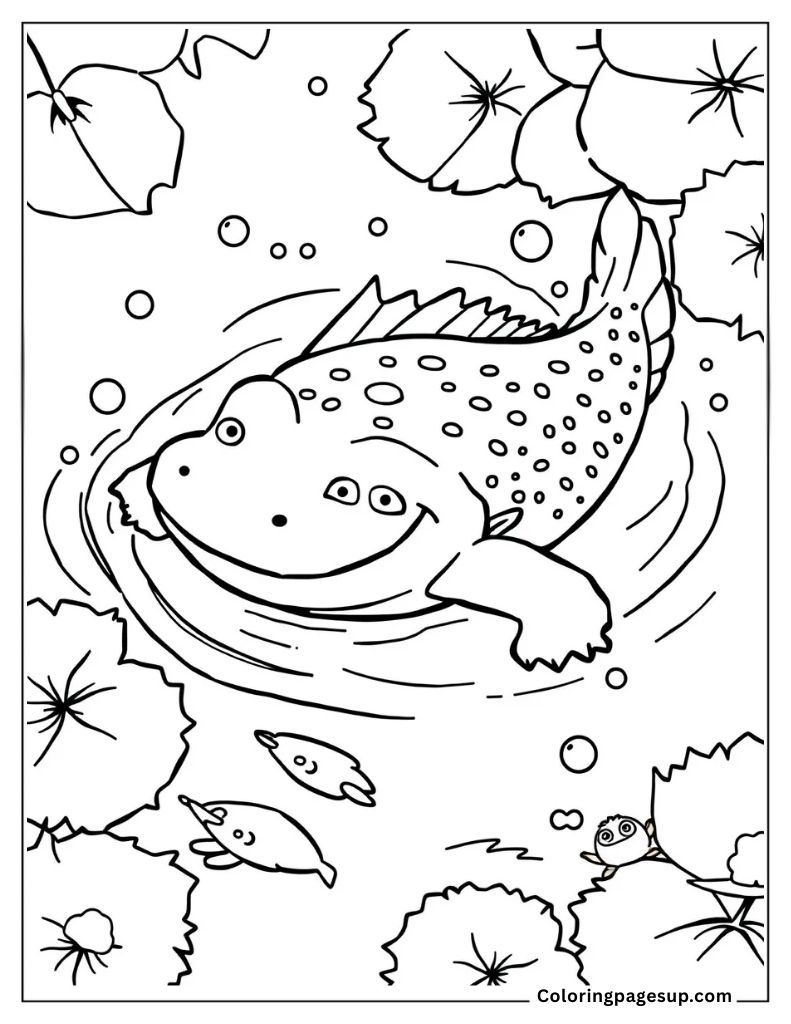
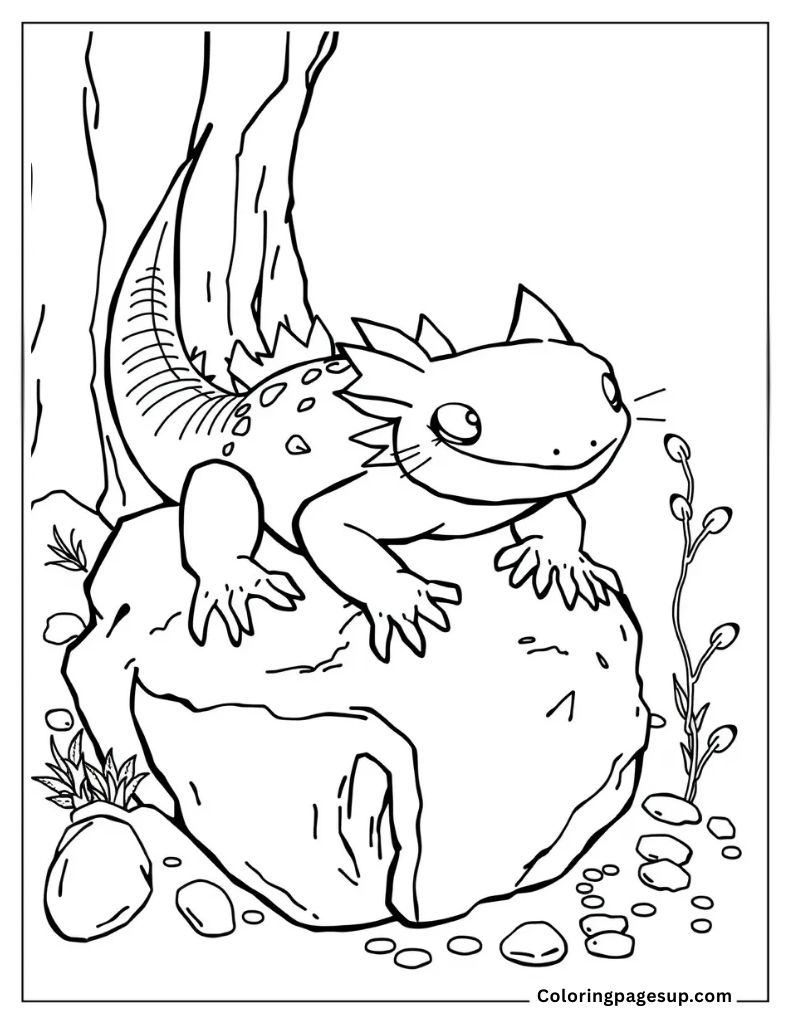
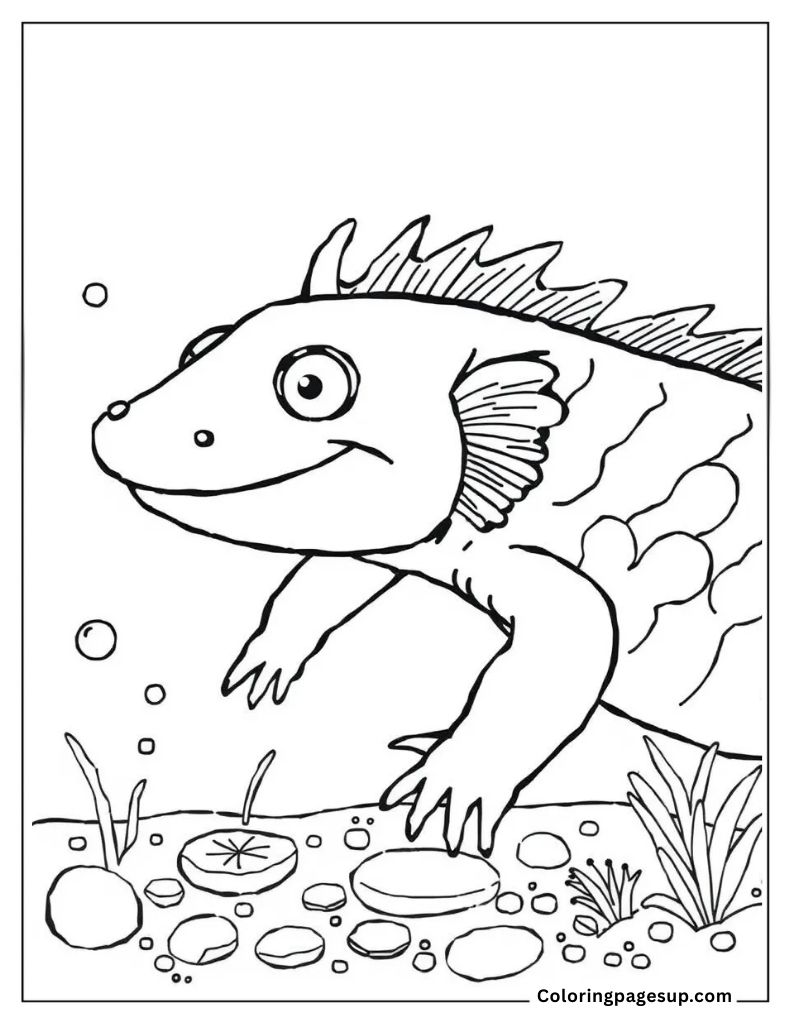
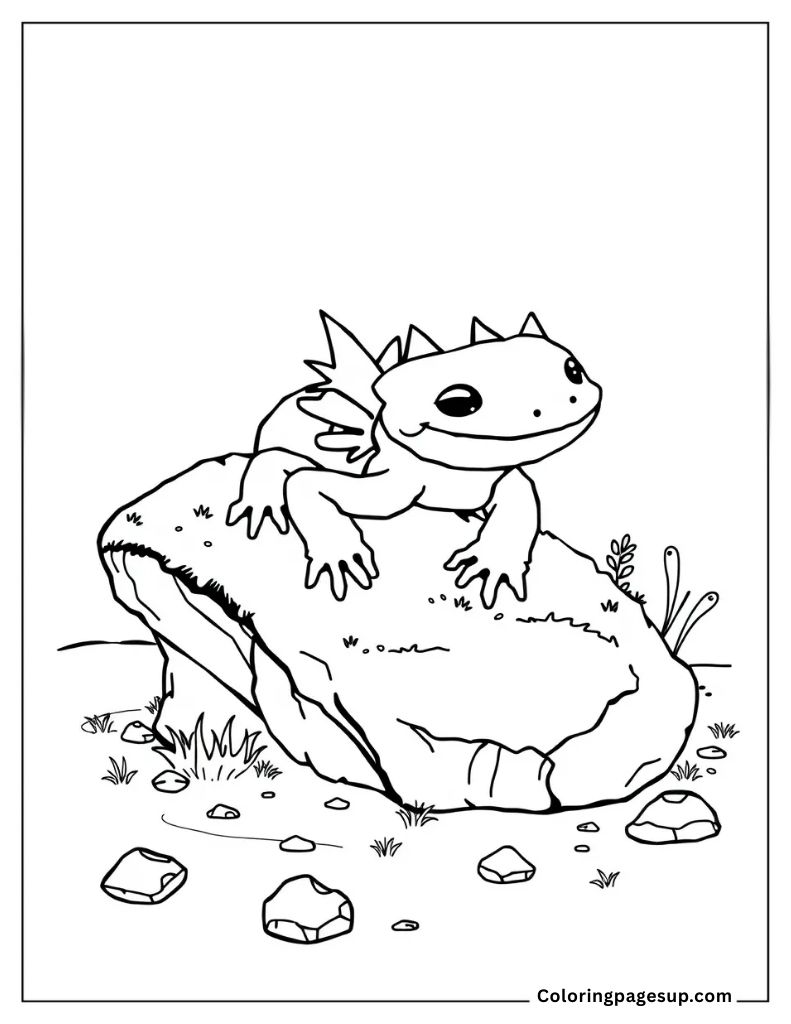
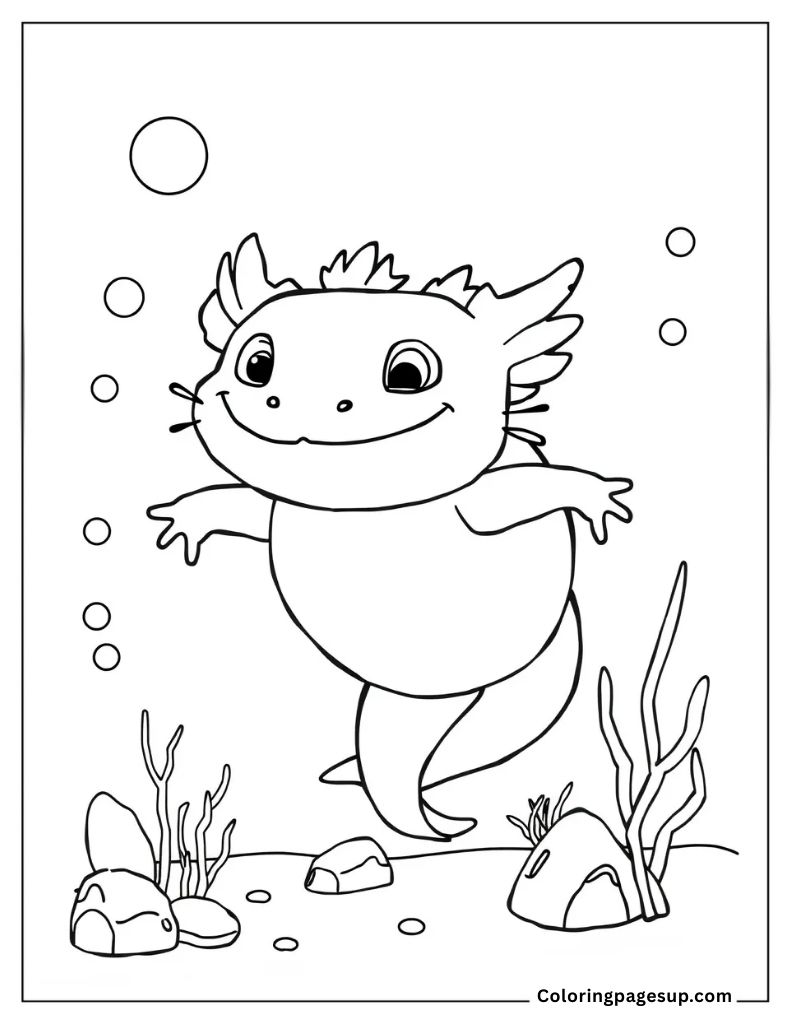
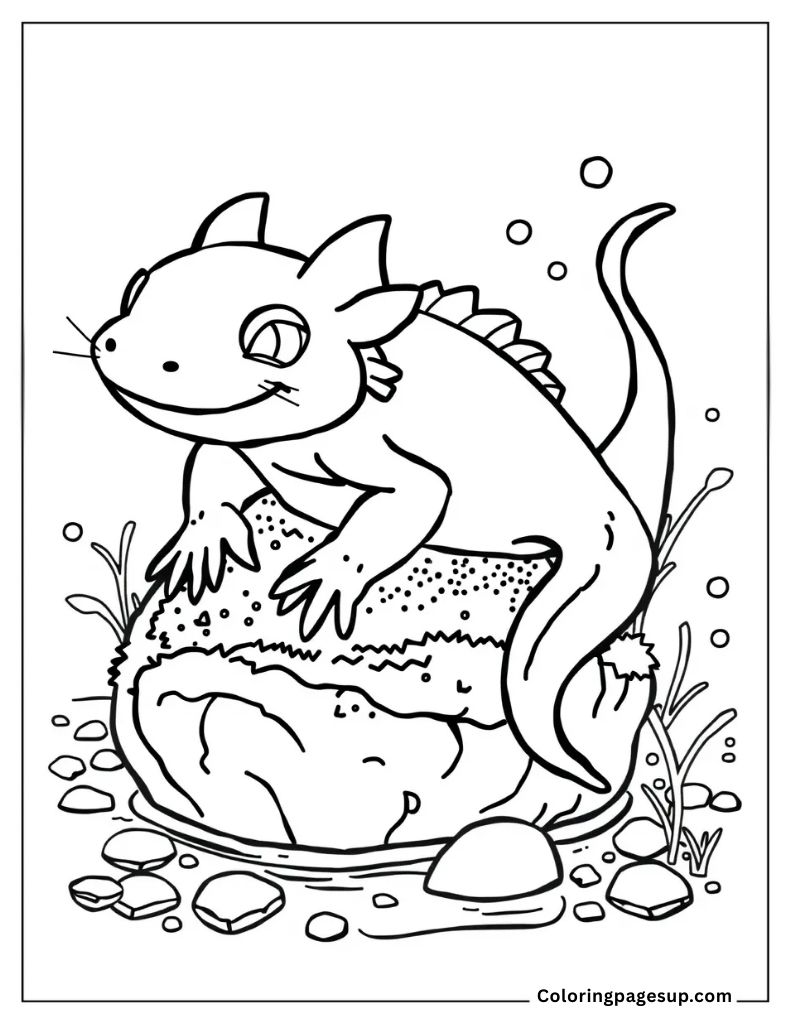
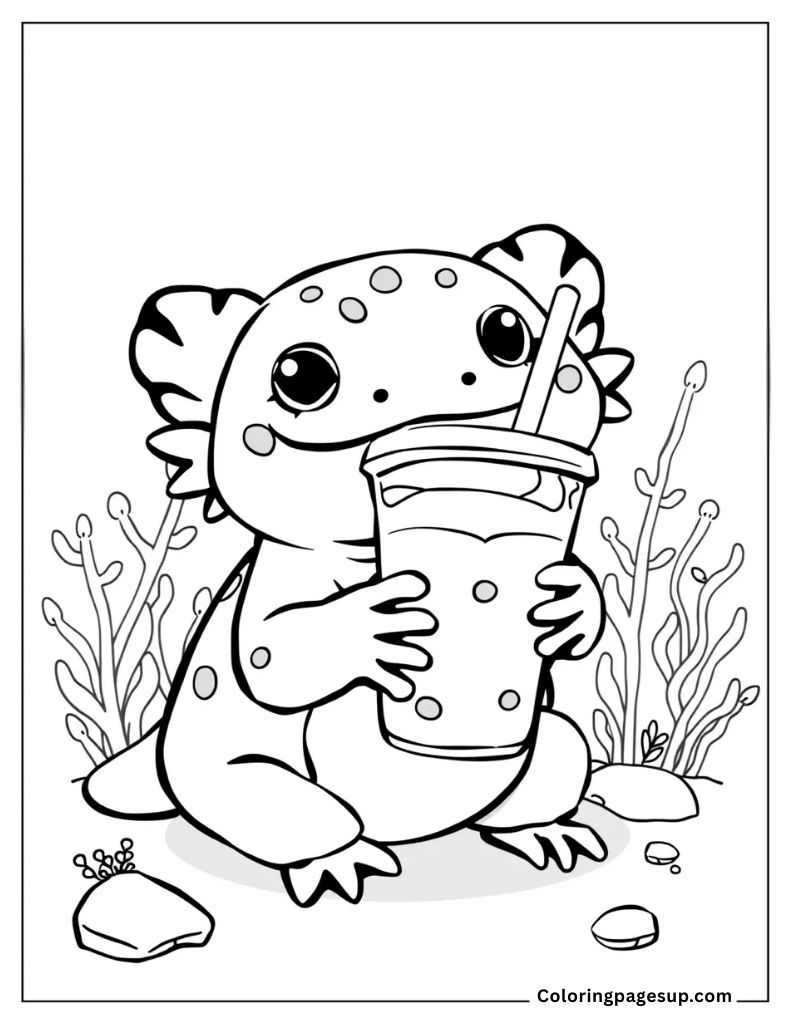
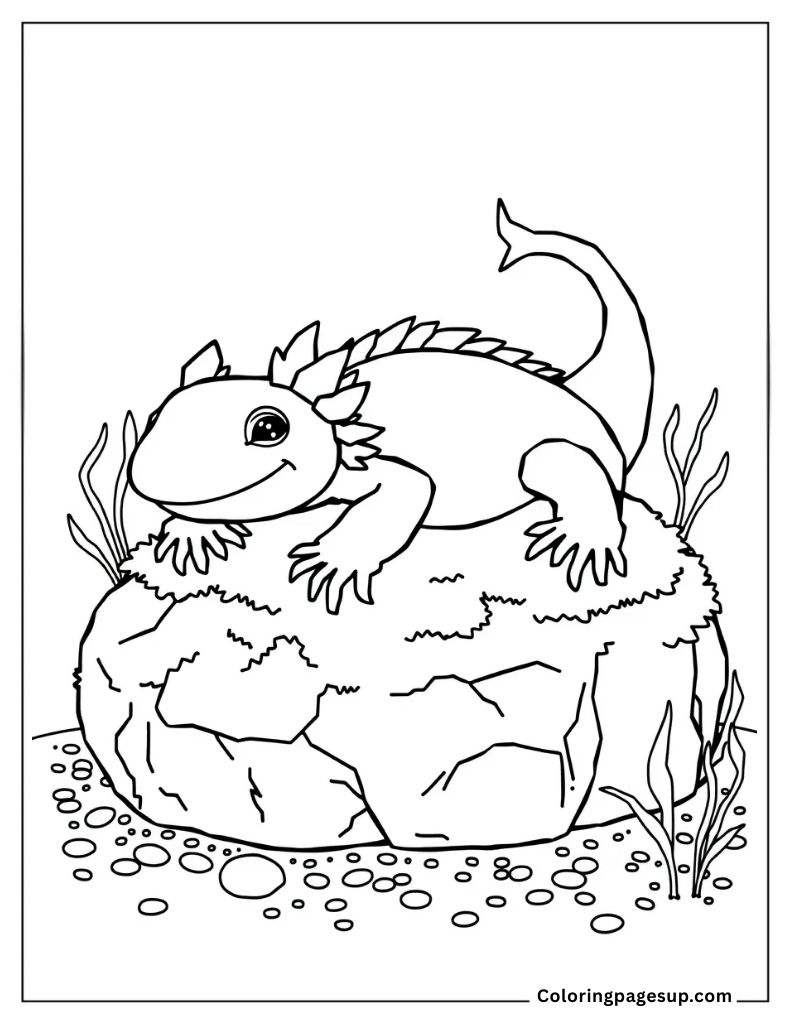
Adorable Cute Axolotl Coloring Pages Perfect for Kids
Bring the charm of axolotls to life with these adorable coloring pages, specially designed for kids. Each page features cute, round-faced axolotls in playful poses, surrounded by fun, easy-to-color backgrounds like lily pads, bubbles, tiny fish, and underwater plants. These pages encourage creativity and focus while offering a relaxing activity that children can enjoy alone or with friends.
The coloring pages are fully printable and designed with clear, clean outlines, making them perfect for crayons, markers, or colored pencils. From simple, single-axolotl scenes to more detailed pages with props like flowers, there’s a variety to keep young artists entertained. Fun, engaging, and kid-friendly, these pages make coloring both enjoyable and educational.
15 Detailed Craft Ideas Using Axolotl Coloring Pages
These 15 detailed craft ideas are perfect for kids, teens, and adults alike. From activities like coloring and framing to interactive projects like paper mobiles, puzzles, and DIY stickers, each idea is designed to make your coloring pages more creative and enjoyable. You’ll find ways to decorate, gift, play, and even turn your colored axolotls into useful items, all while encouraging imagination and hands-on fun.
Color and Frame
Color your axolotl page using crayons, markers, or colored pencils. Trim the edges neatly and place it in a frame to hang on the wall or display on a desk. This simple craft turns your artwork into a piece of cheerful wall art that can brighten any room.
Greeting Cards
Fold a colored axolotl page in half to create a greeting card. Write a personal message inside for birthdays, thank-yous, or special occasions. Kids can make several cards to share with friends and family, adding a creative touch to every message.
Bookmarks
Cut a colored axolotl page into a long rectangle or fun shape and punch a hole at the top. Add a ribbon or string to make a bookmark. These are great for marking pages in books, and kids can gift them to friends or use them themselves.
Gift Tags
Cut small sections of a colored axolotl page, around 2–3 inches, and punch a hole for a ribbon or string. Add a “To” and “From” note. These handmade tags make gifts look special and unique, perfect for birthdays or holidays.
Paper Mobiles
Color several axolotls and cut them out. Attach each to a string and tie them to a stick, hoop, or frame. Hang the mobile from the ceiling or near a window to create a floating underwater scene that adds fun and movement to a room.
Wall Collage
Color multiple axolotl pages in different colors and styles. Arrange them on a large sheet of cardboard or directly on a wall to form a collage. This creates a bright, playful display that showcases creativity and adds personality to any space.
Sticker Art
Color an axolotl page and laminate it for durability. Cut out the shapes carefully and attach double-sided tape or sticky dots to the back. These DIY stickers can decorate notebooks, laptops, water bottles, or walls, making everyday items more fun.
Scrapbooking
Use colored axolotl cutouts to decorate scrapbook pages. Combine them with photos, patterned paper, or other small stickers. Gluing axolotls in creative positions adds personality and color to memory pages.
Envelope Decor
Color and cut out small axolotl shapes to glue onto envelopes. This adds a playful touch to letters or invitations and makes receiving mail more exciting for kids and adults alike.
Origami Accent
Cut a colored axolotl page into smaller squares and fold them into simple origami shapes like fans, boats, or triangles. Attach the colored axolotl on top or use it as part of the origami design for interactive and creative craft fun.
Party Decorations
Color multiple axolotls and cut them out. Attach them to string or tape to create garlands or hang them around tables and walls. These decorations are perfect for themed parties and can also be used as table confetti for a colorful touch.
Journal Cover
Color a full axolotl page and glue it onto the front of a notebook or journal. Seal it with clear tape, contact paper, or lamination for protection. This turns a plain notebook into a fun, personalized journal.
Puzzle Fun
Color an axolotl page and cut it into 6–12 puzzle pieces. Mix them up and challenge kids to put it back together. This activity combines coloring and problem-solving, making it both fun and educational.
Coasters
Color an axolotl page and glue it onto thick cardboard or foam board. Cover with clear contact paper or laminate to make sturdy coasters. These functional crafts protect surfaces while displaying cute, colorful designs.
Bookmarks as Gifts
Create colorful axolotl bookmarks and add a ribbon or tassel at the top. Package them as small gifts for friends, teachers, or classmates. Handmade and personal, these bookmarks are a simple but thoughtful way to share art.
What Colors Are Axolotls? Guide for Coloring Lovers
Axolotls are fascinating aquatic creatures known for their appearance and wide range of colors. In the wild, they are usually dark brown or gray, which helps them blend into their natural lake habitats. However, in captivity, selective breeding has created a variety of striking colors that are popular in aquariums.
Some of the most common colors include:
- Leucistic (pale pink with red gills): Soft pink skin with bright, feathery gills—one of the most popular among hobbyists.
- Albino (golden or white): Completely light-colored, often with pink or red eyes.
- Golden (yellow/gold): Vibrant golden skin, usually with pink or red gills.
- Melanoid (dark black or brown): Deep, uniform color, less common in captivity.
- Wild-type: Dark gray or brown with speckled markings, found naturally in lakes in Mexico.
These colors not only make axolotls visually appealing but also give insight into their genetics and breeding. Understanding the different axolotl colors helps enthusiasts choose the right one for their aquarium or appreciate these amazing creatures even more.
How to Draw an Axolotl: Step-by-Step Guide for Beginners
Drawing an axolotl can be fun and simple if you follow a few basic steps. Start by sketching a rounded body shape and a slightly elongated head. Add small, circular eyes and a friendly smile to give your axolotl a cute expression. Don’t forget the feathery gills on each side of its head, these are one of the most distinctive features of axolotls.
Next, draw the arms and legs as short, slightly stubby shapes with tiny fingers, and a curved tail that flows naturally from the body. Once you have the outline, you can add simple background elements like lily pads, rocks, or bubbles to make your drawing more lively. Finally, go over your lines with a thin black marker or pen for coloring, and fill in your axolotl with soft pinks, golds, or any color you like. This step-by-step approach makes drawing axolotls easy and enjoyable for both beginners and young artists.
Are Axolotls Amphibians?
Yes, axolotls are amphibians, a special type of salamander that stays in its larval form for life. Unlike most amphibians, they live underwater their entire lives and keep their feathery gills, making them fully aquatic. Being amphibians, axolotls have moist skin, can breathe through their gills and skin, and have amazing abilities to regenerate lost body parts like limbs, the spinal cord, and even parts of their heart. This unique biology makes them fascinating pets and popular subjects for science and coloring activities alike.
What Do Axolotls Eat?
Axolotls are carnivores that eat small animals like worms, insects, tiny fish, and crustaceans. In captivity, they thrive on bloodworms, brine shrimp, or axolotl pellets. They use suction to catch food and need high-protein meals in small portions. Feeding them correctly keeps them healthy, active, and happy.
Are Axolotls Fresh or Saltwater?
Axolotls are freshwater animals, which means they live in lakes, ponds, and slow-moving rivers with clean, fresh water. They are not saltwater creatures and cannot survive in oceans or salty environments. In captivity, they thrive in freshwater aquariums with cool temperatures, proper filtration, and regular water changes. Using freshwater is essential for their health, as saltwater can harm their gills, skin, and overall well-being.